Security that’s designed
for your small school or
college
Small schools offer big insights
Along the remote southeastern border near Arkansas sets an atypical small town called Howe, Oklahoma. With a population just shy of 800 people, and a median income level straddling the poverty level, you might think technology would be an afterthought. But for the 600+ students in the Howe Public Schools District, technology is a core part of their daily lives.
The unique challenges of a small school district
Staffing Limitations
Too few teachers and staff to properly instruct students/ maintain facilities.
Fluid locations of students/staff due to COVID-19 quarantines
Providing connectivity/bandwidth
Lack of internet access in homes due to remoteness and poverty.
Slow upload speeds that hamper pace of live education.
Culrural
60+% of population under the poverty line.
Engaging students in way they understand
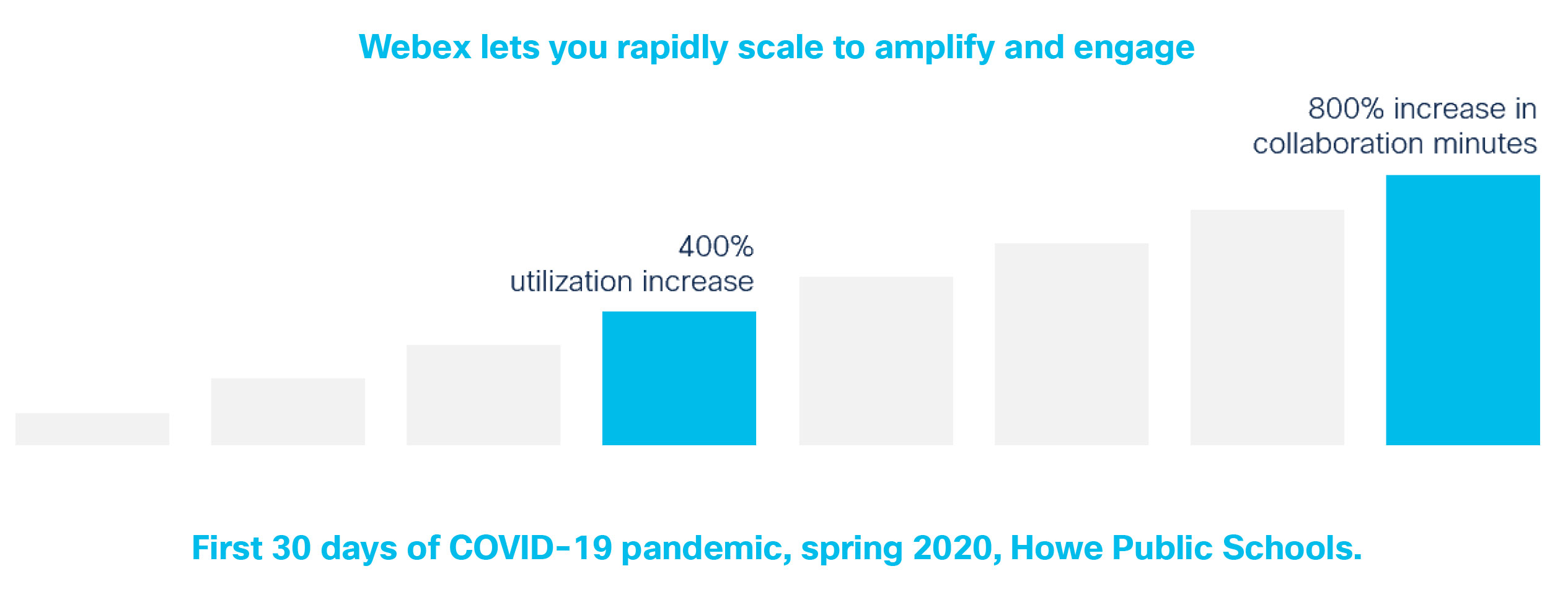
Amplify and engage:
Best practices from a small school district
Are you a potential target?
Hackers target educational institutions of all sizes, including small schools and colleges. When it comes to cyber-attacks, hackers don’t care how big your school is; they care how weak your security is.
4 Keys to Securing Your Small School
Start with people
Make sure the people who access your school’s systems are who they say they are.
Look at connections
Students, administrators, and educators access your network in many ways. If you have a distance or hybrid learning model, users may be connecting from a classroom, a home laptop or tablet, or a mobile device.
Pay attention to email
IEvery day, students, administrators, and educators inadvertently click malicious links or open harmful email attachments that download malware.
Don’t let malware spread
If malware gets in, it spreads across your network and can encrypt your files or take down critical systems. The internet and networks don’t work without the DNS to route data, and neither does most ransomware.